
Wine coolers are designed to keep the temperature of bottles constant throughout the day in a controlled setting. They are not like normal freezers, they are meant to preserve wine from sudden temperature changes that might compromise aging, taste and overall quality. Therefore, modest modification in the cooling performance might become visible far earlier than many owners think.
Many wine cooler problems are reported by homeowners that do not begin with a total collapse . Cooling could be less even, it might take longer for the cabinet to recover once the door is opened, or some shelves may not keep the chosen temperature anymore. With these troubles still occurring, some owners find that the culprit isn’t a configuration change, but a failed cooling component.
After noticing performance changes that continue to interfere with regular operation, experts in more severe circumstances may suggest wine cooler compressor repair.Similar performance issues in larger commercial systems often require commercial refrigeration repair before cooling problems continue spreading.
Why Cooling Performance Degrades Without Complete Failure
Sometimes the wine cooler will keep running when a part is going to go bad. In many situations the refrigeration systems will still be running but will gradually lose efficiency making the problem difficult to see in the early stages. The compressor may run longer, the internal air flow may be weaker or the temperature recovery may take longer than when new.
Older refrigeration systems, such those manufactured by AmeriKooler, True Manufacturing, and Norlake, may experience comparable cooling issues after years of continuous use. These changes aren’t always an indicator of a catastrophic failure, but usually they are hints that one or more parts should be checked out before performance continues to degrade.
Some of the most frequent symptoms are:
- The cabinet is taking extra time to achieve the appropriate temperature.
- Cooling is variable across different storage shelves.
- The compressor runs for unusually lengthy cycles.
- Interior temperatures vary during the day.
- Bottles are not at the proper serving or storage temperature.
Compressor Issues That Decrease Cooling Efficiency
The compressor pushes refrigerant through a closed refrigeration system. Because refrigerant isn’t going through system like it should, whole cooling process is compromised as it starts to becoming less efficient. The unit may appear to be working OK but it is becoming more and more difficult to maintain consistent temperatures.
Not all compressor issues require an urgent repair. Before proposing wine fridge compressor replacement or wine cooler compressor replacement, experts will frequently undertake electrical testing, refrigerant pressure checks, and component inspections. Sometimes relay problems, overload protector problems, or electrical supply problems might mimic compressor failure symptoms even when the compressor is actually working well. Larger commercial refrigeration systems experiencing similar failures may eventually require walk-in cooler repair, while aging equipment with repeated breakdowns is sometimes better suited for a new walk-in cooler installation.
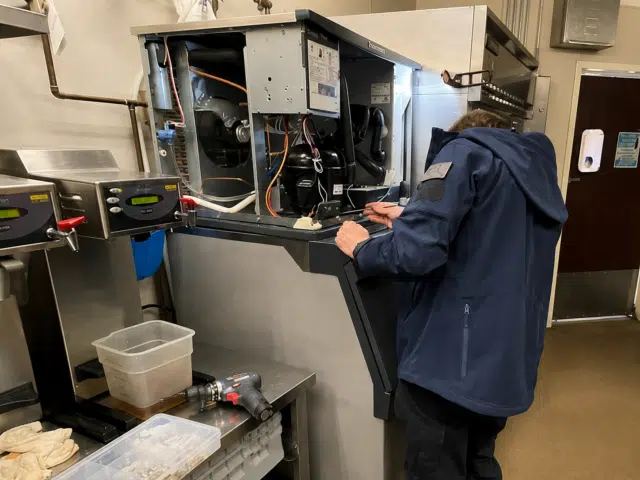
Airflow Restrictions That Keep Even Cooling From Happening
If refrigerator system is putting out enough cold air, poor circulation inside cabinet might be cause of temperature fluctuations. It’s important that cold air circulate easily around each shelf, so that all bottles are stored under equal conditions. If airflow is restricted, certain areas of cooler will remain cold while other part will be progressively warm up.
One of the most common reasons for uneven cooling is a fan that is not running at full capacity. poor airflow doesn’t indicate the whole machine is broken. Dust build-up, worn motor bearings, damaged blades or electrical faults might create poor airflow. In such cases, companies and homeowners may begin to explore wine cooler fan replacement when they see that temperature discrepancies are still showing up between storage rooms with typical thermostat settings. Similar airflow restrictions may also affect commercial ice equipment, leading businesses to schedule ice maker machine repair when production becomes inconsistent.
Some indications that may indicate difficulties linked to airflow include:
- Other shelves are warmer than other others.
- Not enough or no air circulation within the cabinet.
- Fan sounds increase under operation.
- Cooling improves for a short while once the unit is restarted.
- Temperature is slowly recovering but compressor is still operating.
Thermostat Issues Resulting in Temperature Accuracy Problems
The thermostat signal refrigeration system when to start cooling and when stop. If it starts misreading temperature, then entire cooling cycle maybe go haywire even if compressor and fan are still spinning regularly. Some wine coolers may chill too much, while others cannot hold the temperature because the control mechanism is no longer responding properly.
That’s why a technician will frequently check the temperature controls before proposing more extensive repairs. Sometimes a wine cooler thermostat replacement is necessary to return normal functionality since the thermostat is not interacting with the refrigeration system anymore. Often, one of the first things done in troubleshooting is to check the displayed temperature against a different thermometer before swapping out other devices.
Temperature control difficulties often occur as:
- The displayed temperature differs from the actual cabinet temperature.
- The compressor cycles more frequently than normal.
- Cooling starts later than expected.
- Settings change but cabinet temperature remains the same.
- The unit cools inconsistently throughout the day.
Why Does Your Wine Fridge Keep Beeping?
The blaring alert typically means that the wine cooler has discovered an issue that needs care, not that the cooler is broken. Most current units are equipped with warning sirens that sound if cabinet temperatures are beyond the typical range, if a door is left open, or if an internal sensor detects an unexpected working situation.
Many owners looking for a wine fridge beeping fix may just turn off the alarm for a while, but until the root reason is diagnosed, the real problem will likely continue to grow. Typically, the first signs of a refrigeration system problem are a constant alert, poor cooling performance, longer compressor cycles, or shifting cabinet temperatures before other components are damaged. Early diagnosis through professional wine cooler repair often prevents these smaller issues from developing into more extensive refrigeration failures.
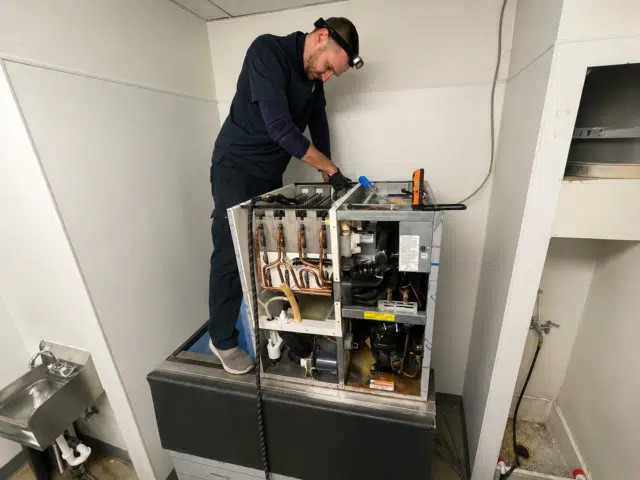
When a Wine Fridge Needs More Than a Minor Fix
You can’t change your settings or swap out a part to fix every cooling problem. As the refrigeration systems get older, certain tiny faults might start to crop up at the same time and make the overall performance less reliable than it once was. This can eventually put extra stress on the entire system . A compressor working harder than normal, irregular airflow and incorrect temperature measurements.
In case of a wine fridge broken condition , a full examination is normally more beneficial than a parts replacement one by one . Compressor, thermostat or circulation fan, electrical controls, etc. all function together. Knowing the real cause of issue avoid costly repairs and more effectively restore dependable cooling performance.
Pick the Correct Fix Before Problems Get Larger
Many wine cooler problems begin as minor performance changes that get more obvious over time. Early detection of these warning indications frequently prevents further components from being impacted, and helps maintain a stable storage environment for prized wine collections.
If you are having difficulties with cooling, compressor problems, airflow obstructions or problems with temperature regulation, you should always properly diagnose the problem before replacing significant components. Homeowners wanting wine enthusiast cooler repair or wine enthusiast wine refrigerator repair frequently find that figuring out the specific problem first leads to a more successful repair and helps extend the overall life of the refrigeration equipment.
Achieving Consistent Wine Cooler Performance for Long Term Storage
A wine cooler that works right doesn’t only keep bottles cold. This provides a steady atmosphere that protects wine from avoidable temperature swings and helps sustain the desired quality over time. Paying attention to early warning indications frequently eliminates more costly repairs down the road when cooling performance starts altering.
Compressor, fan, thermostat and electrical control problems seldom fix themselves. Knowing the most frequent wine cooler problems and acting before they turn into severe breakdowns helps maintain the refrigeration system functioning effectively while safeguarding the investment housed within the cabinet.
Helpful Resources
The following official government resources provide additional information on refrigeration maintenance, servicing, and equipment care.
- U.S. Environmental Protection Agency (EPA) – Stationary Refrigeration Service Practice Requirements.
https://www.epa.gov/section608/stationary-refrigeration-service-practice-requirements - ENERGY STAR – Heating and Cooling Maintenance Checklist.
https://www.energystar.gov/saveathome/heating-cooling/maintenance-checklist