
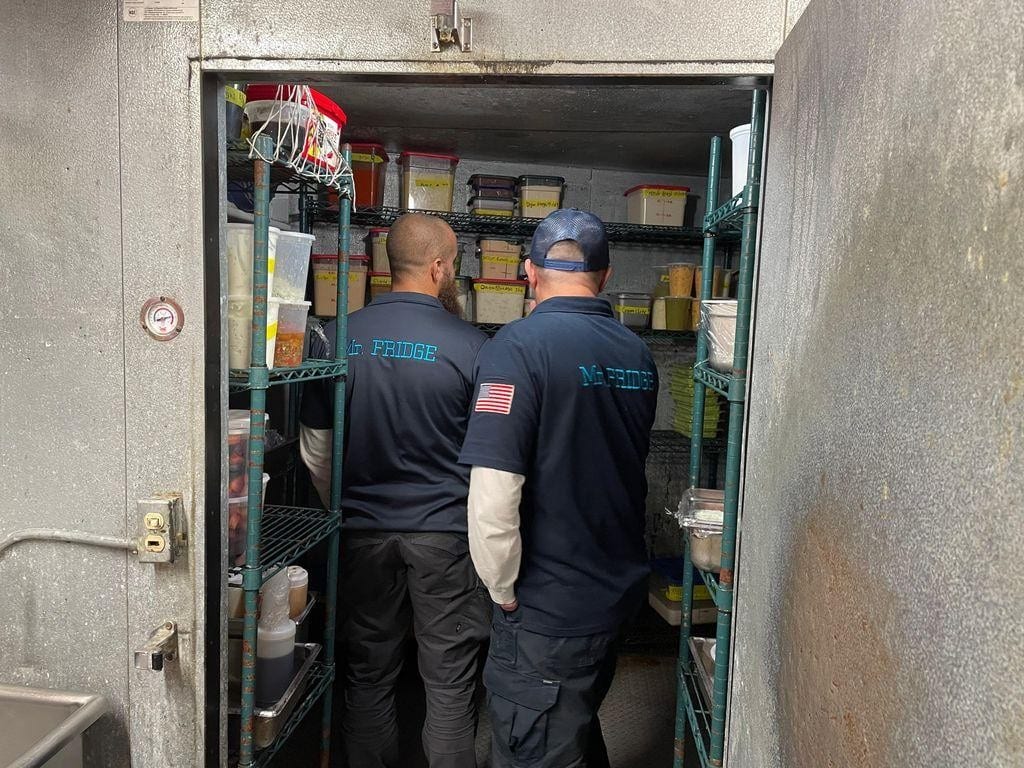
Why Understanding Commercial Refrigeration do Really Matters
Understanding how commercial refrigeration works is important for businesses who relies on cooling restaurants, cafés, grocery stores, and more. Systems tend to run continuously, protecting your food quality and preventing from losses.
Many business owners only focus on equipment when it fails. For that commercial refrigeration repair for restaurants helps you to respond quickly and avoid most unnecessary downtime. Early awareness most times means fewer breakdowns and better long term performance.
Core Principle Behind on How Commercial Refrigeration Works
At its core, commercial refrigeration is about removing heat not creating more cold. The system uses refrigerant technique to absorb the heat from inside and release it to outside.
The cycle works like this:
- Compression – refrigerant becomes hot under pressure
- Condensation – heat is released outside
- Expansion – pressure drops and temperature falls
- Evaporation – heat is absorbed from inside
This continuous loop explains how does commercial refrigeration work across all equipment types. When this cycle is disrupted, you may start noticing issues that often lead to searches like emergency commercial fridge repair near me.
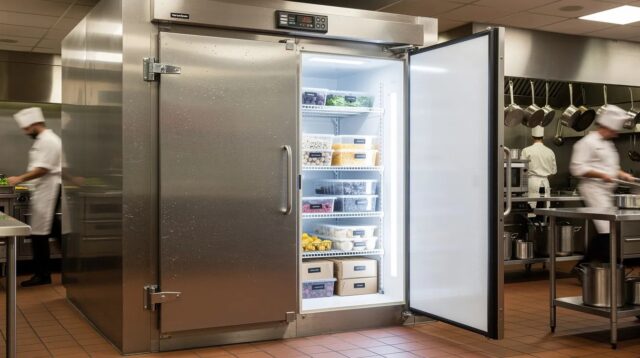
Main Components That Keep Everything Running
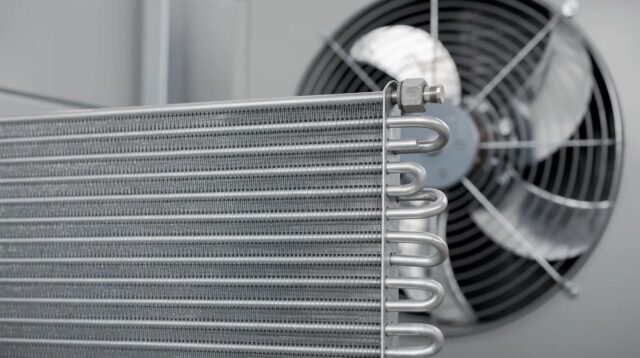
Every commercial refrigerator depends on their key parts working together with other. The compressor pushes refrigerant enough through the system, while the condenser removes the heat into surrounding air. Expansion equipment lowers the pressure and evaporator absorbs all heat.
Understanding these roles makes it easier to see how commercial refrigerator equipment works and why even a small failure can affect the entire system. In many cases, problems tied to airflow or dirty coils are behind issues like a walk-in cooler not cooling properly fix.
How Walk In Cooler Works in Real Conditions
If you’re trying to understand how walk in cooler works, think of it like an controlled cold room where heat don’t stay and constantly being removed.
In simple way:
- Warm air enters when the door opens
- The evaporator absorbs that heat
- The condenser releases it outside
Because of this, performance drop if components/equipment are not maintained properly over time, requiring walk in cooler temperature fluctuation repair to restore stable temperature and conditions.
How Do Walk-In Coolers Work During Daily Base Works?
In real-world use, how do walk in coolers work depends heavily on habits. Frequently door openings, improper storage space and blocked airflow increase internal temperature of equipment.
This makes system to run longer and work harder than expected, which can lead to break down over the time. Regular maintenance and service can prevent issue from keep coming back.
How Does Walk-In Freezer Work Differently then others?
Walk in freezers follows the same rules but operate at very much lower temperatures than other. If you are thinking how does a walk in freezer work, the difference lies in intensity.
Key differences include:
- Lower temperature range (around -18°C or below)
- Stronger insulation
- Built in systems to remove frost
Without a proper frost removing, ice buildup can stop the airflow and down cooling efficiency.
Types of Commercial Refrigeration Components
Commercial refrigerator system comes in several types of forms, each are designed for specific needs.
Common types include:
- Reach in refrigerator for quick to access
- Undercounter units for compact spaces
- Walk-in coolers and freezers for bulk storage
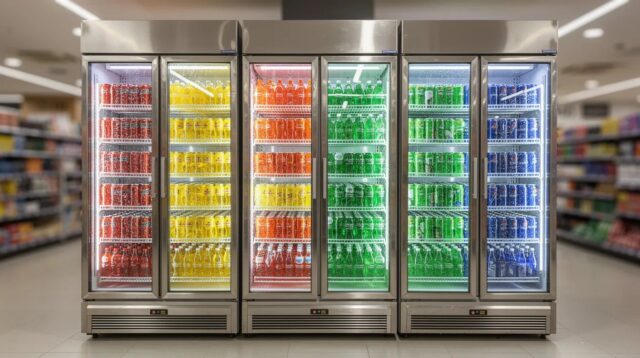
- Display cases for retail environments
The cooling cycle for each is same, but all work differently depending on how they are being used.
Temp Guidelines and Reason Why They Matter
Maintaining the right temp is hard for food, thinking of safety and quality. Most refrigerator machine operate between 2°C and 4°C, while freezers go below -18°C.
Small changes can lead to food spoilage or reduce shelf life. Because of this, why it is always better to check readings with an external thermometer rather than relying only on digital ones.
Energy Efficiency in Daily Operations
Energy use is big cost factor in commercial refrigeration usage. Even minor inefficiencies can come over time.
Simple ways to improve efficiency:
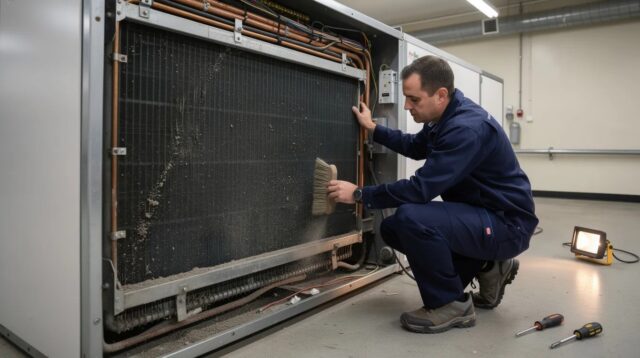
- Clean condenser coils on regular basis
- Try to keep doors closed as much as possible
- Make sure proper airflow around units happens
- Avoid installing equipment near heat places
These things can make significantly change in energy consumption and extend equipment life.
Maintenance Tips That Actually Helps to Make Difference
Regular maintenance keeps the systems alive, reliable and prevents the unexpected failures. Cleansing, inspecting door seal properly, and monitoring temp should also be part of routine operations.
Air flow is another key factor. When vents are block by self or shelves are overloaded, and the cooling becomes uneven and inefficient. Scheduling a professional for servicing ensures that the hidden issues are addressed early.
Common Problems and their Quick Checks
Even well maintained systems sometimes can run into problem. When something doesn’t feel right, few quick checks can save time.
Start with:
- Checking thermostat settings
- Making sure doors close properly
- Looking for blocked airflow
Other common issues:
- Ice buildup → often defrost-related
- Water leaks → usually clogged drains
Early action helps prevent bigger repairs.
FAQs
- How do commercial refrigerators work compared to residential?
:They are built for constant use in businesses, certain temp cooling, and frequent door openings, making them more durable.
- How does commercial refrigeration work in simple words?
It removes heat from inside of the system and releases it outside continuously for maintaining quality and safety.
- How does a walk in cooler work efficiently?
By maintaining insulation, reducing door openings, and ensuring airflow.
- How do walk in coolers work during busy hours?
They handle more heat load and require proper usage to stay efficient.
- How does a walk in freezer work without cooling?
With the help of proper air flow, insulation, and frost removing systems.
- How commercial refrigerator equipment works in large setups?
By using more powerful components designed for higher cooling demand.
Conclusion
Once you understand how commercial refrigeration works, managing your equipment becomes much easier Whether it’s a small fridge or a large walk-in system, the principle remains the same remove heat and maintain stable conditions.
With good habits and regular maintenance, your system will run efficiently, helping your business avoid unnecessary costs and downtime