
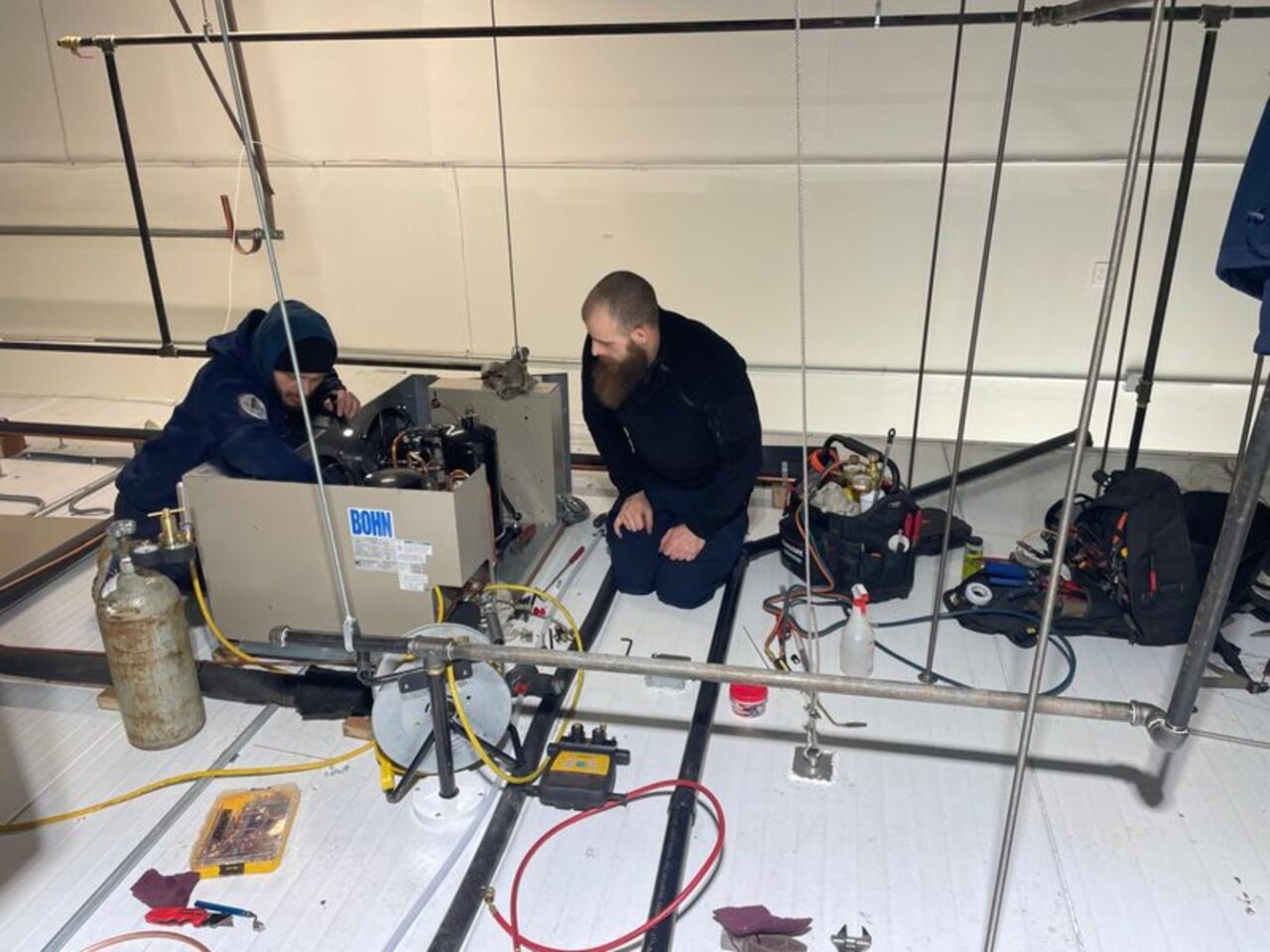
A Practical Troubleshooting Guide For It
Why This Problem Needs Immediate Attention
If you’re asking why is my commercial refrigerator not cooling, you’re already facing situation that needs action. Even few times of rising temperature can lead to spoiled inventory, safety concerns, and unexpected losses.
Early signs like commercial refrigerator not cold enough or my commercial fridge is not cooling often go unnoticed until the issue becomes serious. Acting early helps reduce downtime and avoids expensive repairs., especially when you rely on commercial refrigeration repair for restaurants.
Common Reasons Your Commercial Refrigerator Is Not Cooling
There’s no single reason behind why my commercial fridge is not cooling. Most problems fall into a few predictable categories that affect system performance over time.
Typical causes include:
- Power supply or electrical issues
- Incorrect thermostat settings
- Dirty condenser coils
- Blocked airflow
- Worn door seals
- Component failure
When these issues build up, you’ll likely notice your commercial refrigerator not getting cold or struggling to maintain stable temperatures, often leading businesses to seek urgent commercial fridge repair near me.
Fast Checks You Can Do Right Away
Before assuming a major fault, it’s worth running a few quick checks. Many cases of commercial refrigerator not cooling enough can be resolved with simple fixes.
Start with:
- Checking the power connection and outlet
- Inspecting the circuit breaker
- Verifying temperature with a thermometer
- Waiting through a defrost cycle
These steps help rule out basic issues before moving to more complex problems. If not, you may need walk-in cooler emergency repair service to restore proper cooling quickly.
Thermostat and Control Settings
Incorrect settings are one of the most overlooked causes of cooling issues. If commercial refrigerator isn’t cold enough, then the thermostat maybe set high or maybe not responding properly
Make sure refrigeration is set between 36 to 38°F and allow time for temperature to stabilize after adjustments happens. Even small changes can restore proper cooling without the further intervention.
Door Seals and Warm Air Leaks
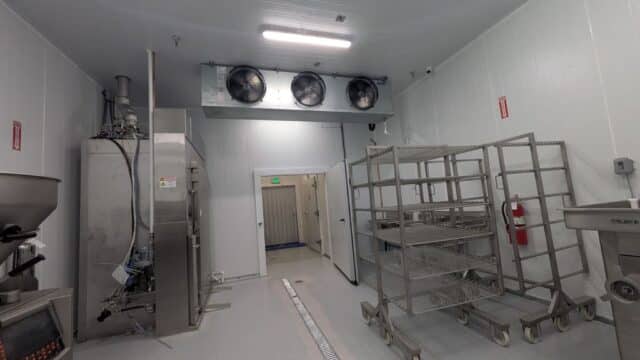
Warm air entering the unit can prevent it from reaching the desired temperature. This is a common reason behind commercial refrigerator not cooling enough, especially in high-traffic environments.
Check for:
- Cracked or worn door gaskets
- Gaps when doors are closed
- Dirt build up along the seal
The replacement of damaged seals seems a simple fix that can significantly improve efficiency.
Airflow and Storage Issues
Air circulation plays a major role in maintaining consistent cooling. When airflow is blocked, certain areas may stay warm, leading to complaints of commercial refrigerator not getting cold.
To improve airflow:
- Avoid overloading shelves
- Keep vents clear inside the unit
- It’s important to maintain space around the exterior
A Proper airflow ensures that cooling and it reduces strain on the system.
Commercial Refrigeration Maintenance Problems that Lead to Cooling Failure
Many common commercial refrigeration problems develop gradually due to lack of maintenance.Dirt inside fridge, grease, and regular use reduce the efficiency over time until the system can no longer keep up.
A regular cleaning and inspections of commercial refrigeration is important to prevent these issues to maintain consistent performance.
Dirty Condenser Coils
Dirty condenser coils are one of the leading causes of a commercial refrigerator not cold enough situation. When coils are covered in dust or grease, heat cannot escape effectively.
Basic cleaning steps:
- Unplug the unit
- Remove protective panels
- A regular clean coils with a brush or vacuum blower
Routine of cleaning can quickly restore back the cooling performance and save energy usage.
For the Frost and Ice Build-Up
Ice buildup can happen inside the refrigerator which can block airflow and reduce the cooling efficiency. This sometimes leads to not normal temperatures and result poor performance.
Common signs include:
- Frost on walls or evaporator coils
- Fans hitting ice
- Difficulty closing doors
If frost returns frequently, it may indicate a defrost system issue that needs attention.
When It’s a Mechanical Problem
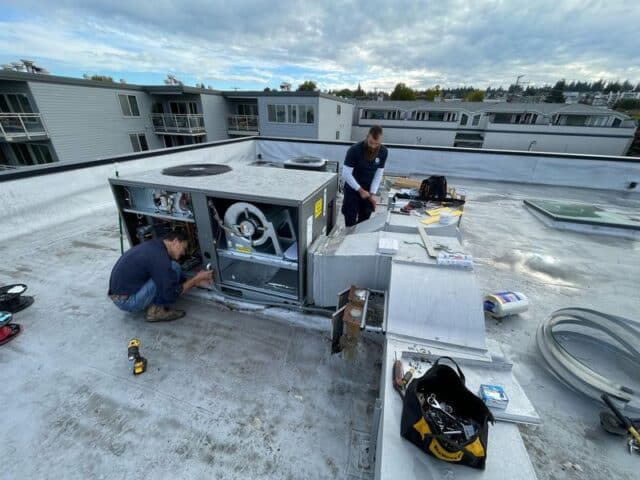
If basic checks don’t resolve issue, the problem may involve internal components. This is when concerns like commercial refrigerator compressor not working become more likely.
Mechanical failures of commercial refrigerator require proper inspection and it should not be ignored, as delays sometimes can lead to more serious problems.
Refrigerator Fan and Compressor Issues
Fans and compressors are the most essential for proper cooling. If it fails, the system may still run but won’t maintain the consistency of correct temperature.
Watch for:
- Warm interior despite operation
- Unusual noises or why is my refrigerator buzzing
- Compressor clicking or not starting
These signs usually indicate the need for professional repair.
Refrigerant and System Leaks
If your commercial refrigerator not cooling enough continues after cleaning and basic checks, refrigerant issues may be the cause.
Signs include:
- Weak cooling performance
- Hissing sounds
- Oily residue near pipes
These problems do require certified technicians repair, as handling refrigerant involves specialized tools then the regular ones and safety concerns.
How to Prevent Refrigerator from future Cooling Problems
A preventive maintenance is the best way to avoid kind of breakdowns. Simple maintaining routine can keep your system running smoothly.
Basic practices include:
- Checking temperatures daily
- A regular cleaning of condenser coils
- Inspecting door seals once in while
- Maintaining the proper airflow
Consistent maintenance lower the chance of the major failures and stretch equipment life.
FAQs
- Why is my commercial refrigerator not cooling even though it’s keep running?
This usually points where airflow is issue, dirty coils or compressor problems
2. Why is my commercial freezer not freezing anymore?
It maybe because of the thermostat settings and defrost issues, or can be refrigerant problems
3. What are some common commercial refrigeration problems?
Dirt in coils, blocked airflow of system, fans not working, and cracked door seals are the most common
4: Why is my commercial refrigerator buzzing continuously?
Buzzing often indicates compressor or fan issues that need attention
5: Can I try to fix commercial fridge that is not cooling all by myself?
You can handle the basic checks but when it comes to major repairs it should be done by professionals
6: When should I try to call technician?
If the unit isn’t cooling after basic checks or shows mechanical issues
Conclusion
If you’re dealing with commercial refrigerator not cooling, taking a structured approach is key, So start with simple checks, then move to deeper issues if needed
Most problems, whether it’s commercial fridge not cold enough or a more serious failure can be resolved efficiently when addressed early